



TLR2 Agonist
- 1
-
Pam3CSK4 TFA
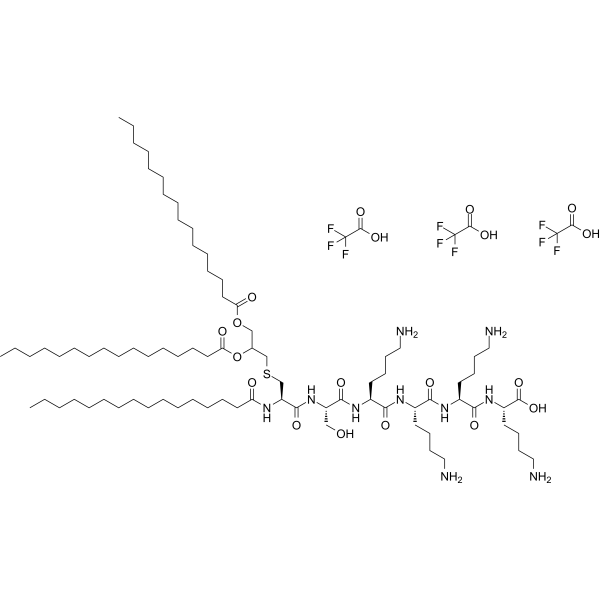 0 ImagesSynonyms: Pam3Cys-Ser-(Lys)4 TFA
Pam3CSK4 TFA is a toll-like receptor 1/2 (TLR1/2) agonist with an EC50 of 0.47 ng/mL for human TLR1/2.
-
Diprovocim
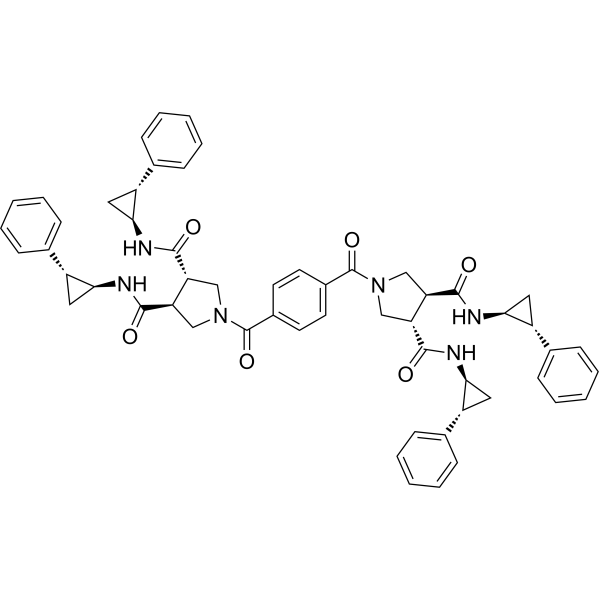 0 Images
Diprovocim is a potent TLR1/TLR2 agonist. Diprovocim elicits full agonist activity in human THP-1 cells (EC50=110 pM). Diprovocim stimulates the release of TNF-α from mouse macrophages (EC50=1.3 nM). Diprovocim activates downstream MAPK and NF-κB signaling pathway. Diprovocim displays strong adjuvant activity in mice, particularly abetting cellular immune responses.
-
TLR2/1 agonist-1
 0 ImagesCat. No.: HY-183301
TLR2/1 agonist-1 is a selective agonist of the TLR2/1 heterodimer. TLR2/1 agonist-1 acts as a hematopoietic recovery inducer to accelerate the recovery of peripheral blood cells. TLR2/1 agonist-1 serves as a G-CSF production inducer to increase serum G-CSF levels. TLR2/1 agonist-1 exhibits radioprotective effects in mice exposed to radiation. TLR2/1 agonist-1 can be used in studies related to acute radiation syndrome.
-
BXY-14
 0 ImagesCat. No.: HY-181916
BXY-14 is a TLR2 agonist and vaccine adjuvant. BXY-14 significantly downregulates the expression of intratumoral PD-L1 in mouse models. BXY-14 acts as a vaccine adjuvant to induce antibody responses. BXY-14 exhibits synergistic efficacy when combined with the anti-PD-L1 monoclonal antibody Atezolizumab (HY-P9904) in mouse models of melanoma, and prolongs overall survival. BXY-14 is applicable to research related to melanoma.
-
CU-T12-9
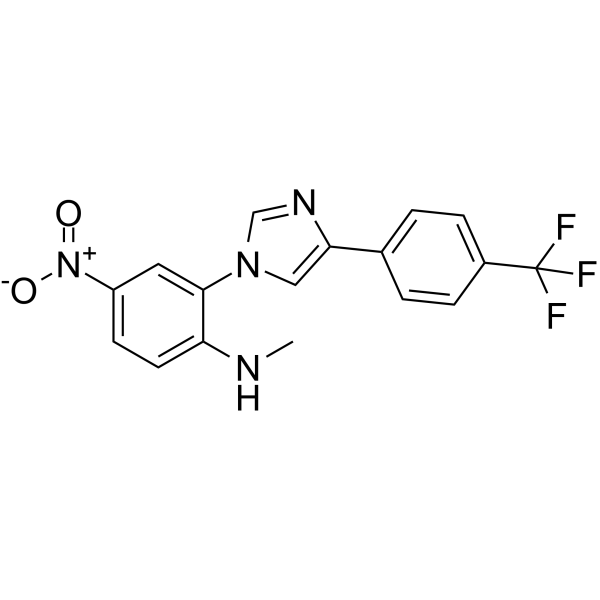 0 Images
CU-T12-9 is a specific TLR1/2 agonist with EC50 of 52.9 nM in HEK-Blue hTLR2 SEAP assay. CU-T12-9 activates both the innate and the adaptive immune systems. CU-T12-9 selectively activates the TLR1/2 heterodimer, not TLR2/6. CU-T12-9 signals through NF-κB and invokes an elevation of the downstream effectors TNF-α, IL-10, and iNOS.
-
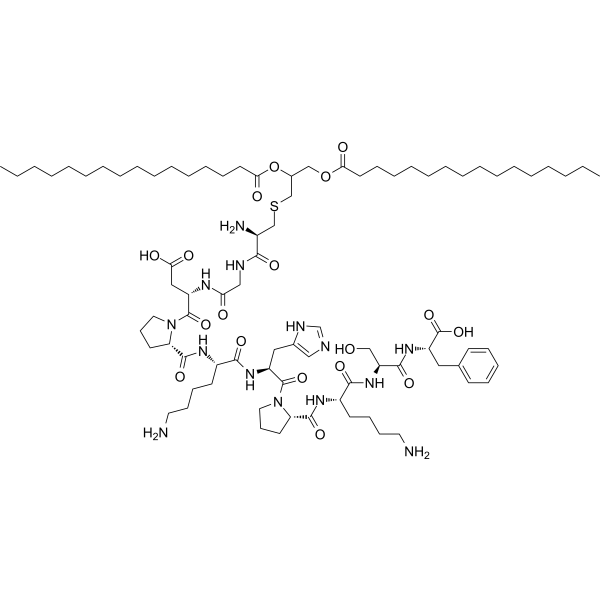
FSL-1
 0 Images
FSL-1, a bacterial-derived toll-like receptor 2/6 (TLR2/6) agonist, enhances resistance to experimental HSV-2 infection.
-
Pam2Cys
 0 ImagesSynonyms: Dipalmitoyl-S-glyceryl-cysteine; S-[2,3-Bis(palmitoyloxy)propyl]cysteine
Pam2Cys (Dipalmitoyl-S-glyceryl-cysteine; S-[2,3-Bis(palmitoyloxy)propyl]cysteine) is a TLR2 agonist and immunostimulant. Pam2Cys binds to TLR2 to activate dendritic cells and trigger the TLR2-dependent NF-κB signaling pathway. Pam2Cys also induces dendritic cell maturation by upregulating the expression of cell surface MHC II molecules. Pam2Cys activates innate immune signaling pathways, drives pro-inflammatory and antimicrobial responses, enhances the expression of macrophage activation markers, increases phagocytic activity, induces the release of IL-12 and pro-inflammatory cytokines, and polarizes macrophages into a pro-inflammatory, antimicrobial phenotype without interfering with IL-10-induced macrophage polarization. Pam2Cys also serves as the lipid moiety in synthetic lipopeptide vaccines and possesses self-adjuvant properties. Pam2Cys enhances the immunogenicity of conjugated peptide segments and induces cellular and humoral immune responses. However, it does not activate CD4 T cells in mouse splenocyte cultures when used alone. Pam2Cys activates pulmonary TLR2 signaling pathways, triggers innate immune responses, recruits neutrophils and macrophages, induces the secretion of various cytokines, alleviates symptoms and damages associated with influenza A virus infection in mice without impairing adaptive immunity. Pam2Cys can be used in studies related to tuberculosis and influenza A virus infection.
-
Pam3CSK4
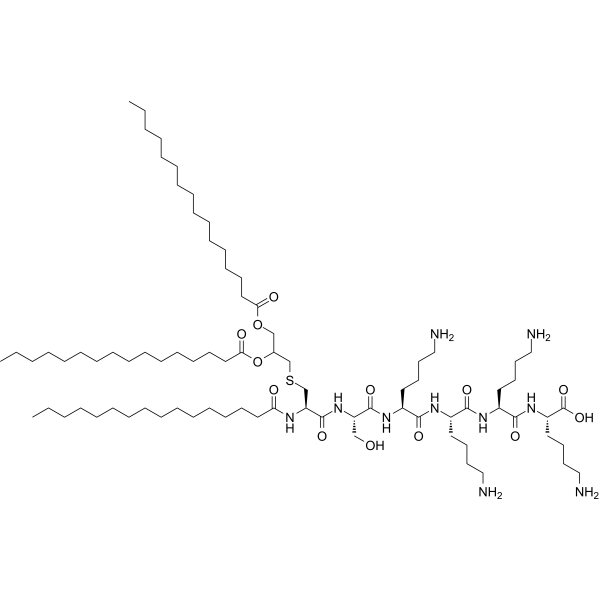 0 ImagesCat. No.: HY-P1180CAS No.: 112208-00-1Synonyms: Pam3Cys-Ser-(Lys)4
Pam3CSK4 is a toll-like receptor 1/2 (TLR1/2) agonist with an EC50 of 0.47 ng/mL for human TLR1/2.
-
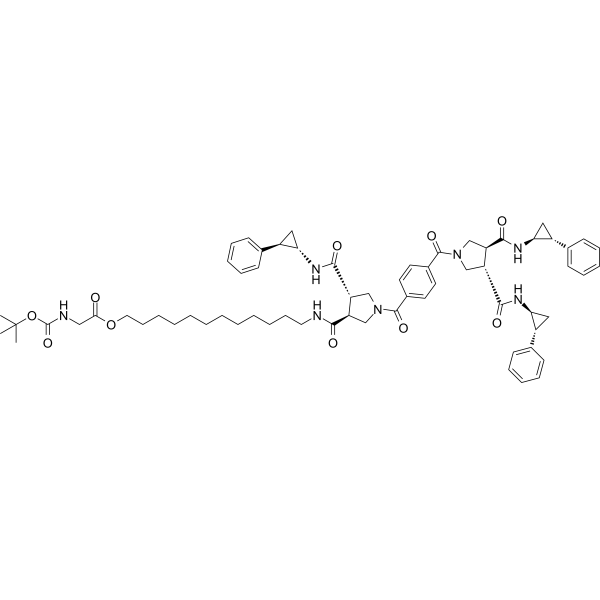
Diprovocim-X
 0 Images
Diprovocim-X (compound 35) is a potent TLR1/TLR2 (toll-like receptor 1/2) agonist, with EC50 values of 0.14 and 0.75 nM for hTLR1/TLR2 and mTLR1/TLR2, respectively. Diprovocim-X is a potent adjuvant in vivo in mice, and serves to stimulate the adaptive immune response.
-
a15:0-i15:0 PE
 0 ImagesCat. No.: HY-N15936CAS No.: 2936622-21-6
a15:0-i15:0 PE is an atypical TLR2 agonist, and its immune signaling strictly depends on the TLR2-TLR1 heterodimer. a15:0-i15:0 PE induces dendritic cells to produce TNFα and IL-6, but does not induce the production of IL-10 or IL-12p70. At low doses, a15:0-i15:0 PE resets the activation threshold of immune cells to suppress or regulate immune responses against specific agonists.
-
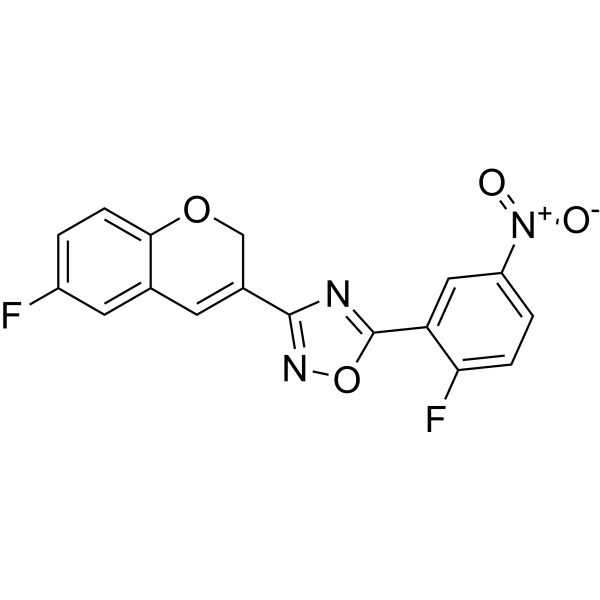
WYJ-2
 0 ImagesCat. No.: HY-158058CAS No.: 3029403-05-9
WYJ-2 is a selective agonist for toll-like receptor 2/1 (TLR2/1) with EC50 of 18.57 nM in human TLR2 and TLR1 transient-cotransfected HEK 293T cells. WYJ-2 induces pyroptosis and exhibits anticancer activity against non-small cell lung cancer (NSCLC).
-
SMU-C68
 0 ImagesCat. No.: HY-175293CAS No.: 2677039-75-5
-
Pam2CSK4
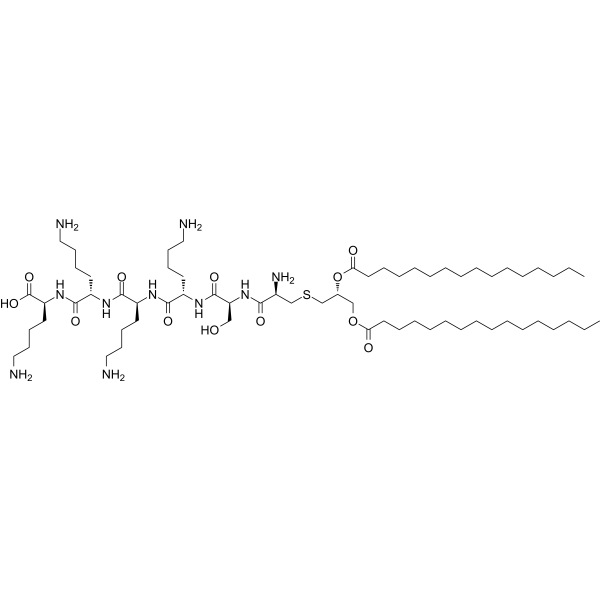 0 ImagesCat. No.: HY-P1181CAS No.: 868247-72-7
Pam2CSK4 is a TLR2 agonist. Pam2CSK4 induces the expression of iNOS and NO in macrophage cell lines via TBK1 and MyD88 molecules. Pam2CSK4 activates the NF-κB and Bruton's tyrosine kinase signaling pathways in platelets, and promotes platelet-endothelial cell interactions. TLR2 activation triggered by Pam2CSK4 expands myeloid-derived suppressor cells (MDSCs) and suppresses anti-tumor immune responses in the tumor microenvironment. Pam2CSK4 acts as a Th2-polarizing adjuvant in mouse vaccine models against Leishmania major and Brugia malayi. Pam2CSK4 can be used in the research of various diseases, including thromboinflammatory diseases, sepsis, atherosclerosis, heart failure, influenza, lymphoma, melanoma, cutaneous leishmaniasis and lymphatic filariasis.
-
Pam3CSK4-Biotin
 0 ImagesCat. No.: HY-P1405CAS No.: 1429504-10-8Synonyms: Pam3Cys-Ser-(Lys)4-Biotin
Pam3CSK4-Biotin is biotinylated Pam3CSK4. Pam3CSK4-Biotin is a Toll-like receptor 1/2 (TLR1/2) agonist.
-
TLR2 agonist 1
 0 ImagesCat. No.: HY-163829CAS No.: 3093799-15-3
TLR2 agonist 1 (Compound R-7d) is an agonist for human toll-like receptor 2 (TLR 2) with an EC50 of 116 pM. TLR2 agonist 1 enhances NF-κB promoter activation through TLR2/TLR1 heterodimers.
- 1



